
There was a time when one rectangular present could contain the rest of the winter.
Before the paper came away, there were already clues. The weight was slightly wrong for a book. The shape was too precise for clothing. When the box moved, something firm shifted inside it. For a child who had spent weeks circling one title in a catalogue, hope could become almost unbearable.
Then came the tear in the wrapping paper, the flash of printed cover art and the moment possibility turned into ownership. Not a library. Not a subscription. One game.

The shape beneath the paper mattered because anticipation had already given it a history.

Waiting made the world larger
The game had often existed in imagination long before it reached the console. A magazine preview might have been reread for months. A television advert could become familiar after only a few viewings. Friends might claim to know secrets about levels none of them had played.
By Christmas morning, the game already carried a history of anticipation. Opening it did not begin the experience. It completed its first chapter.
The ceremony before play
There were practical delays. The television might be occupied. Batteries could be missing. Adults wanted breakfast, photographs or conversation. The disc or cartridge still had to be unwrapped, inserted and tested. Instructions were unfolded. Screenshots on the box were compared with the first images on the screen.
Those interruptions could feel intolerable at the time, but they gave the moment a shape. The game entered the household through a visible sequence of actions. Everyone knew something important had arrived.
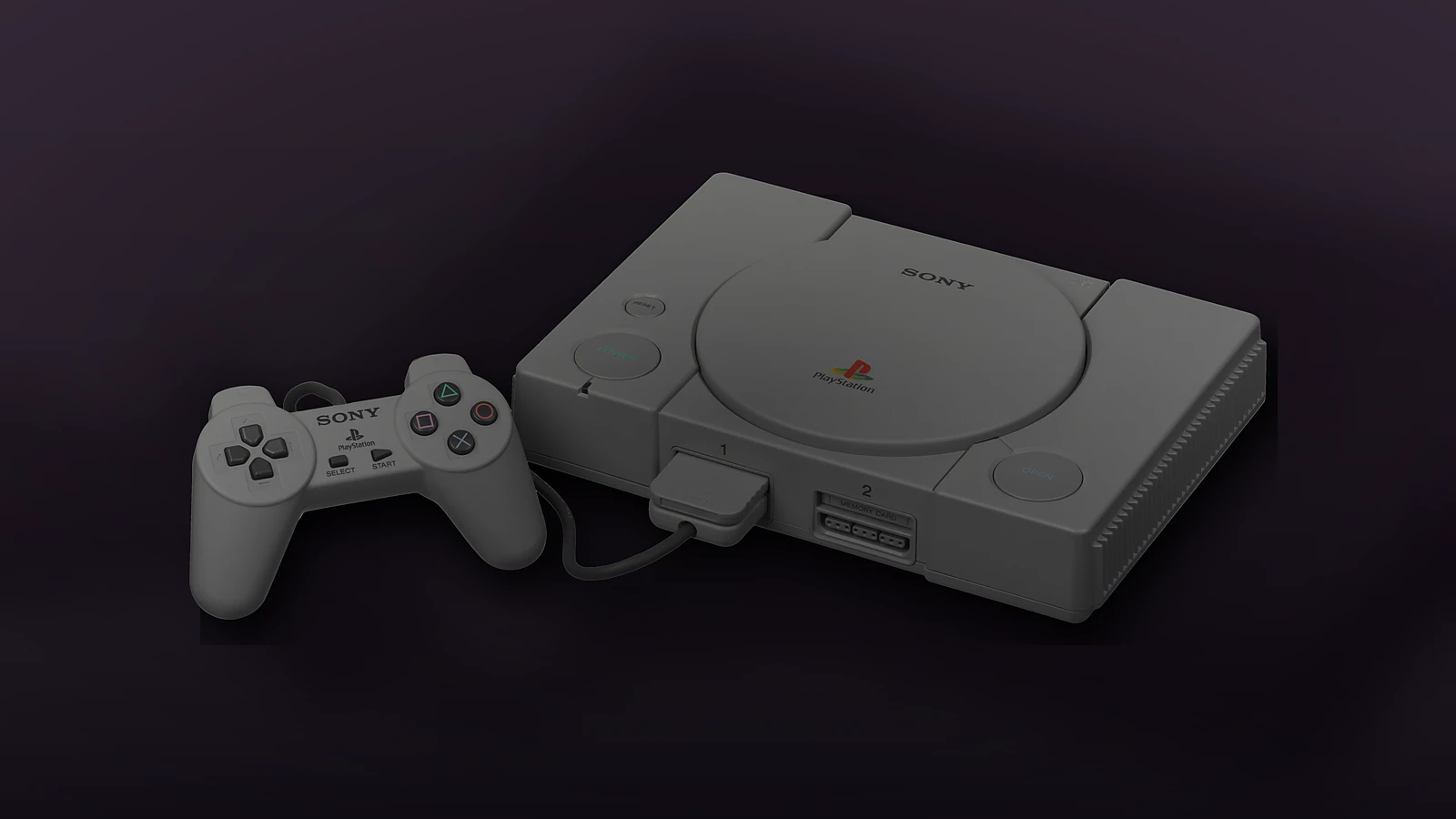
Console, controller, cable and memory card turned software into a visible household ceremony.

One game had room to become a season
Because there was no immediate replacement waiting, the game could settle into daily life. Its first level became associated with Christmas lights and dark afternoons. Difficult sections remained unsolved for days. Music repeated until it attached itself permanently to the room.
A game did not need to be perfect to become important. It only needed enough depth, mystery or resistance to survive repeated visits. Even flaws could become part of the family story: the impossible boss, the unreadable instruction, the save file no one was allowed to overwrite.
Ownership felt different when choice was limited
Modern abundance removes many old frustrations. A disappointing game no longer has to define an entire holiday. Yet abundance also changes attention. When another title is always available, perseverance becomes optional.
One Christmas game could receive more patience because it had already absorbed so much hope. Players learned its rhythms, accepted its oddities and explored corners that might now be skipped. The relationship deepened partly because leaving was difficult.
The memory after the console went dark
Years later, the title may matter less than the environment around it. The colour of the wrapping paper. The light outside at four in the afternoon. The hum of the television. A parent asking whether the game was working. A sibling waiting for a turn.
The gift was software, plastic and printed paper. The memory was a whole room holding its breath while a new world loaded for the first time.
That is why one game could feel so enormous. It was not competing with everything. For a little while, it was everything.
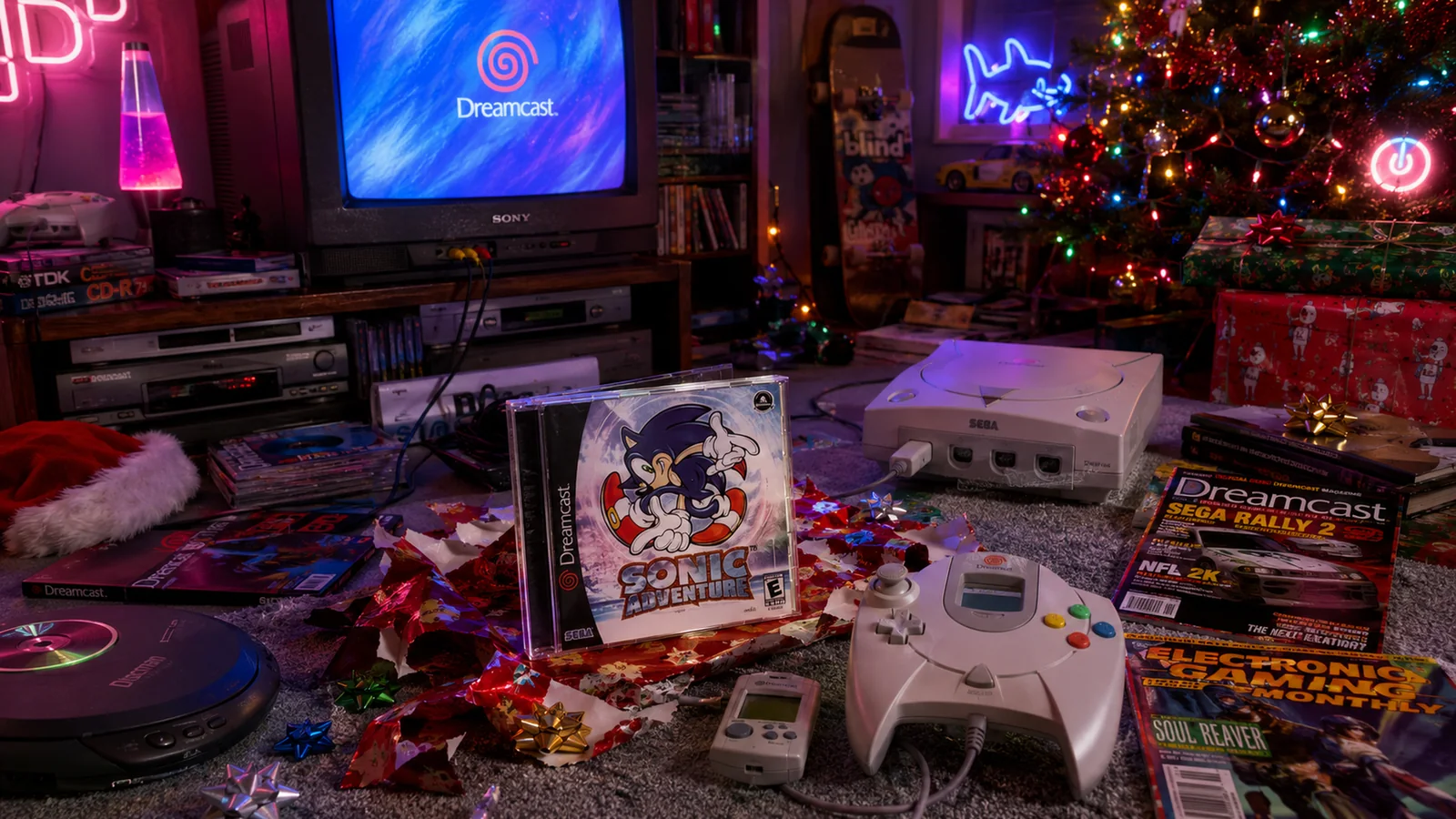
The gift became a ritual in a room organised around the television, the waiting turns and the rest of the holiday still ahead.
Continue through the archive