
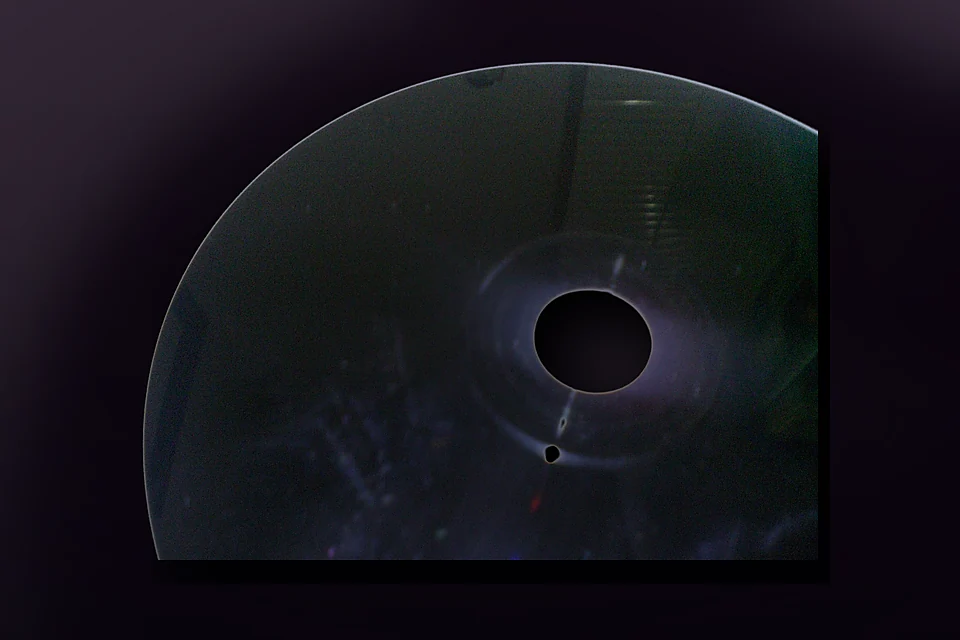
Sometimes an entire world arrived on a silver disc attached to the front of a magazine.
Before every game could be watched from beginning to end before release, discovery often began with fragments. A screenshot in a magazine. A rumour repeated at school. A short trailer playing silently in the corner of a shop. And, if you were lucky, a demo disc.
The disc itself rarely looked important. It might arrive inside a paper sleeve or clipped to a magazine cover, marked with a bright number and a list of games that seemed larger than the plastic could possibly contain. Yet bringing it home felt like carrying several unopened doors at once.
A few minutes could last for weeks
A demo was designed to be temporary, but children were very good at turning limitation into permanence. One level could be replayed until every corner was familiar. Character select screens became places to linger. Locked menu items suggested worlds that existed just beyond reach.
Because the full game was absent, imagination supplied what the disc withheld. A short race became evidence of an enormous championship. A single corridor implied a city behind it. The unavailable parts did not always feel empty. Sometimes they felt infinite.
The magazine was part of the machine
The disc was only half the experience. The magazine explained controls, offered previews and placed each small playable section inside a larger mythology of upcoming releases. Pages were folded, reread and carried to school. Screenshots were studied long after the demo itself had been exhausted.
This relationship between print and play created a slower rhythm. Information did not arrive all at once. It accumulated through repeated contact, allowing anticipation to become part of the game before ownership was even possible.
Scarcity made the ordinary feel enormous
Not everyone could buy several new games a month. For many households, a demo disc was not merely advertising. It was part of the library. It offered variety without another full-price purchase and made a limited collection feel wider.
There were disappointments, broken expectations and discs that contained very little worth returning to. But the best ones became shared cultural objects: borrowed, discussed, scratched, misplaced and remembered by their menu music decades later.
What disappeared
Modern access is easier. Trailers, streams, reviews and downloadable trials can reveal far more than those old discs ever could. That is a practical improvement. Yet something changed when the fragment stopped being the main doorway.
The demo disc belonged to a period when incomplete knowledge still had room to feel magical. It did not merely show a game. It asked the player to imagine the rest.
Perhaps that is why those small collections still feel so large in memory. They contained only minutes of play, but they arrived at a time when minutes could expand to fill an entire afternoon.
Next memory